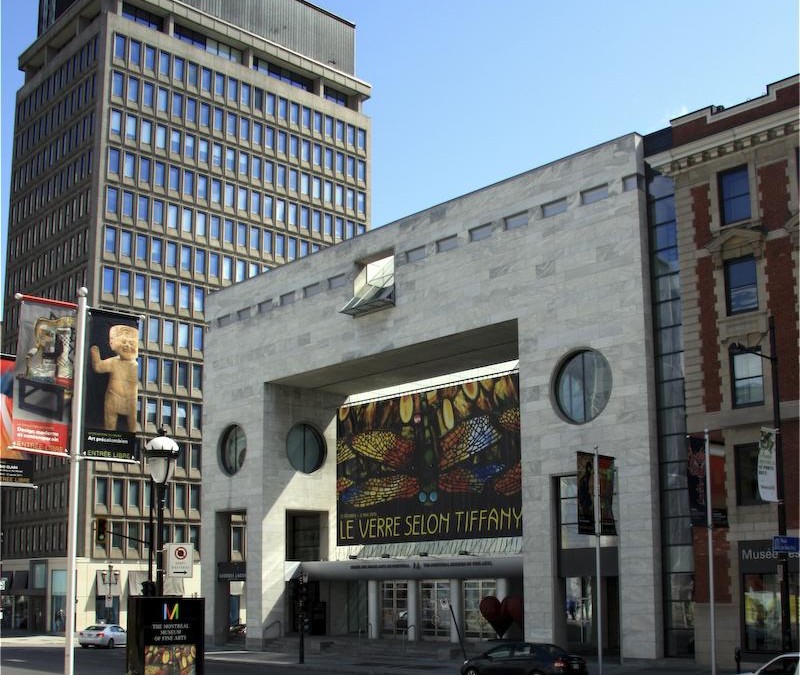
by Editor | Apr 1, 2010 | Montreal, Simon and Baker Travel Review
Founded in 1860 as the Art Association of Montreal, the main building opened in 1912 and was designed by architects Edward and William S. Maxwell in the Beaux Arts style. Among the oldest art institutions in Canada, the museum is composed of three pavilions, with a fourth pavilion under construction. The original building is known as the Michal and Renata Hornstein Pavilion. Annexed to the back of this building is the Liliane and David M. Stewart Pavillion and across the street is the Jean-Noël Desmarais Pavilion designed by Moshe Safdie and built in 1991. Permanent and temporary exhibitions are located in all three pavilions.
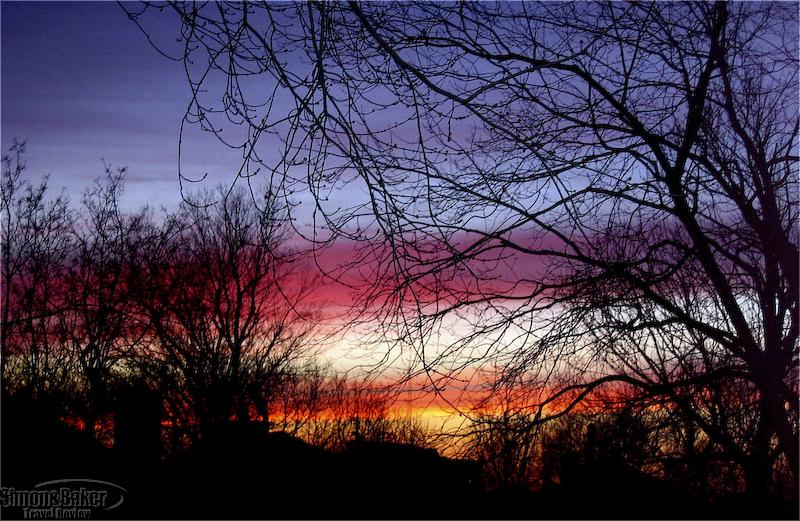
by Editor | Apr 1, 2010 | Montreal, Simon and Baker Travel Review
Montreal is the second largest city in Canada (after Toronto) and the largest city in the Province of Quebec. Located on the Island of Montreal, the city center revolves around the three peaks of Mount Royal, a 200 hectare park that was designed by Frederick Law Olmstead (also known for designing Central Park in New York). The city is easy to get around, be it on foot, by car or by bus, as the mountain acts as a compass. I am north, south, east or west of Mount Royal! Old Montreal, the historic part of the city, is located on the south end of the city near the Port of Montreal. Founded in 1642 by trench settlers, the narrow winding streets are frequently used for Old Europe in many Hollywood film productions. Visiting this part of town takes me a full day.
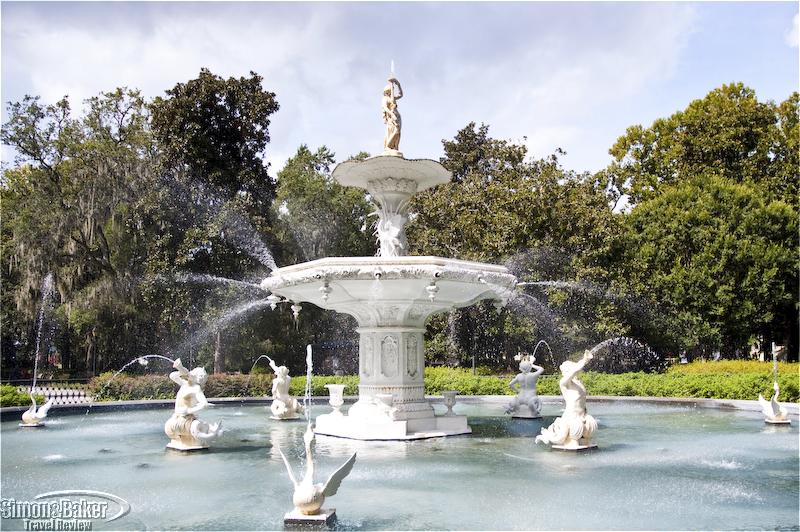
by Editor | Aug 1, 2009 | Georgia, North America, Simon and Baker Travel Review, United States
Savannah is the quintessential Southern city, a world of gracious colonial mansions and verdant parks shaded by centuries-old live oaks dripping with Spanish moss. Established in 1733 on a bluff overlooking the Savannah River as the first city in Georgia, Savannah was one of the earliest planned cities in colonial America. Its creator, British General James Oglethorpe, a social reformer and visionary as well as military leader, conceived a layout of wide streets anchored by four public squares. The concept anticipated the growth of the city and expansion of the grid. More squares were added until the mid-19 th century. In 1851, the 30-acre Forsyth Park, the largest in the city, was the last addition to Savannah’s exuberant green spaces. Today, 21 squares remain, bordered by stately colonial homes. Together, they form the two-and-a-half square mile Savannah Historic Landmark District. One of the largest urban historic districts the country, it essentially represents the city limits at the time of the American Civil War.
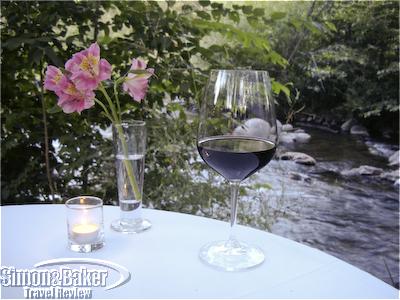
by Editor | Aug 1, 2009 | Arizona, North America, Simon and Baker Travel Review, United States
A side street off the main road in the picturesque town of Sedona in Arizona led us to this luxury oriented small hotel set along the banks of the well known Oak Creek. Although the property was having major renovations during our late summer visit it was there that we enjoyed the highest level of service, luxury and gourmet dining in the Sedona area.
by Editor | Aug 1, 2009 | Arizona, North America, Simon and Baker Travel Review, United States
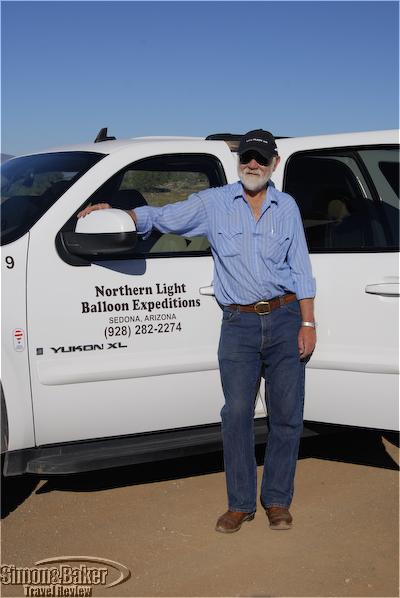
The Northern Light Ballon Expeditions van was parked in front of our hotel entrance at 5:25 a.m. when we arrived five minutes before the scheduled 5:30 a.m. pick up time. Blair Preston, a friendly pilot with 21 years of experience, introduced himself and welcomed us aboard. We were the last two passengers on the route so we drove directly to Forest Road 9851B off of Lower Red Rock Loop road, the place from which our balloon with six passengers and two other balloons would launch for our dawn flight.
by Editor | Aug 1, 2009 | Arizona, North America, Simon and Baker Travel Review, United States
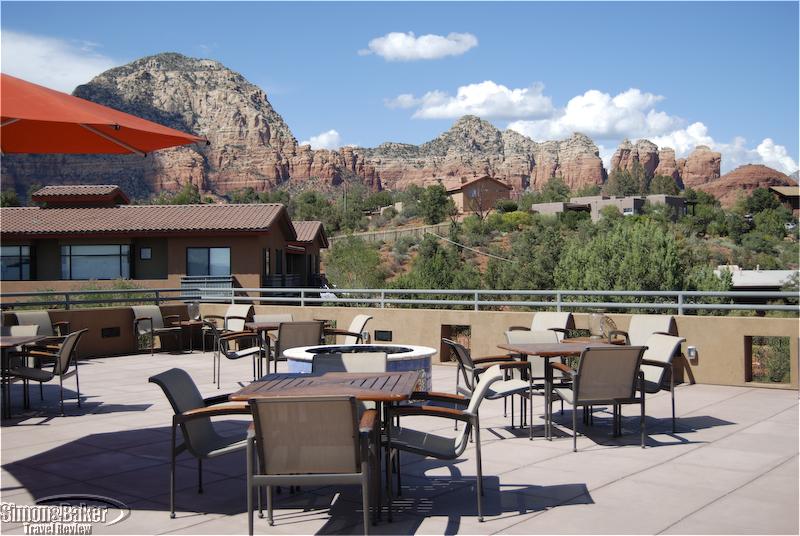
Sedona Rouge was on our left on the road to into town on Arizona State Route 89A as we arrived by car from the Phoenix Airport following a day of travel from the east coast. Within minutes we were settling into the air conditioned comfort of our third floor hotel room. Right away we liked the easy to reach parking lot, comfortable double queen beds, flat screen television, electric fireplace and complimentary WiFi connectivity.